

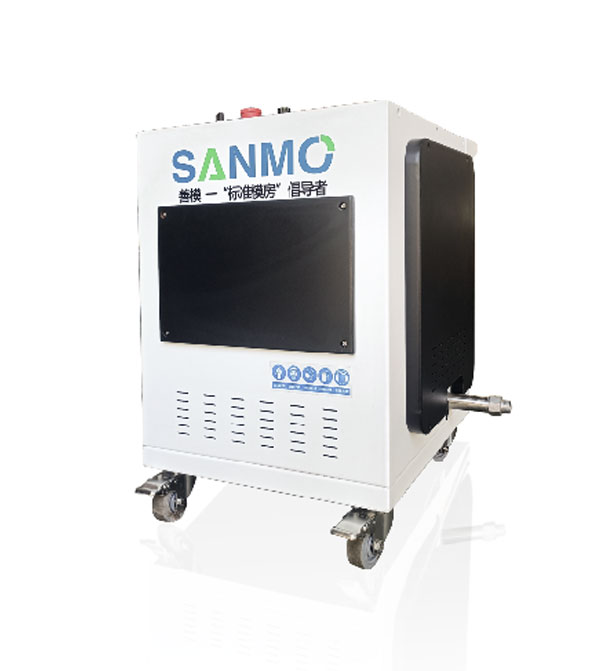
Mold Water Channel Cleaning Machine Accessories and Components: A Technical Overview
Industry Background and Market Demand
The precision manufacturing sector, particularly industries relying on injection molding, places high demands on mold maintenance. Over time, mineral deposits, rust, and microbial growth accumulate in water channels, reducing cooling efficiency and causing defects in finished products. Traditional manual cleaning methods are labor-intensive and inconsistent, driving demand for automated mold water channel cleaning machines.
These systems are now essential in automotive, medical device, and consumer electronics manufacturing, where even minor deviations in cooling performance can lead to significant scrap rates. The global market for mold maintenance equipment is projected to grow at 6.2% CAGR through 2028, with cleaning accessories becoming a critical revenue segment.
Core Components and Functional Principles
A mold water channel cleaning system comprises three operational subsystems:
1. Fluid Circulation Unit
- High-pressure pumps (15–60 bar range)
- Multi-stage filtration (100–200 μm pre-filters + 10–50 μm final filters)
- Heat exchangers for temperature-controlled cleaning
2. Chemical Delivery System
- Precision dosing pumps (±2% flow accuracy)
- pH/conductivity sensors for solution monitoring
- Solvent-resistant PTFE tubing
3. Mechanical Interface Kits
- Quick-connect fittings (ISO 16028 standard)
- Rotary nozzles for 360° coverage
- Bore-adapting seals (handling 4–25mm channel diameters)
The cleaning mechanism combines chemical dissolution and mechanical agitation. Turbulent flow (Re > 4000) ensures uniform contact, while biodegradable chelating agents break down calcium carbonate deposits without corroding P20 or H13 tool steels.
Material and Manufacturing Specifications
Critical accessories require specialized materials:
| Component | Material Specification | Tolerance |
|--------------------|-----------------------------------------|--------------|
| Nozzle tips | Tungsten carbide (86HRA min hardness) | ±0.01mm bore |
| Connection rods | 316L stainless steel (ASTM A276) | Straightness <0.1mm/m |
| Sealing gaskets | FKM fluoropolymer (75–90 Shore A) | <0.5% compression set |
Manufacturing processes include:
- 5-axis micro-machining for complex nozzle geometries
- Electropolishing to achieve Ra <0.8μm surface finish
- Helium leak testing at 1.5x working pressure
Performance Determinants
Three factors dominate cleaning efficacy:
1. Flow Dynamics
- Optimal 2–4 m/s velocity balances deposit removal and energy use
- Laminar-to-turbulent transition points vary by channel diameter
2. Chemical Compatibility
- pH range 3–11 for most tool steels
- Chloride content <50ppm to prevent stress corrosion
3. Thermal Management
40–60°C solution temperature accelerates reactions without vapor lock risks
Supplier Evaluation Criteria
Technical procurement teams should verify:
- Certifications: ISO 9001:2015 with IATF 16949 for automotive applications
- Testing Data: Minimum 500,000 cycle fatigue testing for moving parts
- Material Traceability: Mill test reports for all metallic components
- Lead Time: <6 weeks for standard kits, with emergency 72-hour service options
Operational Challenges
Common industry pain points include:
- Incomplete Channel Mapping: Undetected bifurcations leave 15–20% of deposits
- Residue Cross-Contamination: Improper rinsing introduces new contaminants
- Tooling Damage: Abrasive media causing >5μm surface roughness changes
A 2023 study by the Society of Plastics Engineers found 62% of premature mold failures stem from improper cleaning practices.
Application Case Studies
Automotive Lighting
A Tier 1 supplier reduced cycle times by 11% after implementing pulsed-flow cleaning on polycarbonate lenses molds. The system maintained ±0.3°C coolant temperature variance versus ±1.8°C with manual cleaning.
Medical Device Manufacturing
Validated cleaning protocols enabled a ISO 13485-certified plant to extend mold service intervals from 50,000 to 120,000 cycles while meeting USP Class VI biocompatibility standards.
Emerging Trends
1. Predictive Maintenance Integration
IoT-enabled flow sensors now track channel resistance trends, triggering cleaning before efficiency drops below 85%.
2. Sustainable Chemistry
New enzyme-based cleaners achieve 98% deposit removal at neutral pH, reducing wastewater treatment costs.
3. Additive Manufacturing
Conformal cooling channels with 3D-printed turbulence promoters require specialized cleaning heads.
FAQ
Q: How often should water channels be cleaned?
A: Frequency depends on coolant quality and cycle counts. Most operations perform full cleaning every 10,000–15,000 cycles, with interim flushing every 2,000 cycles.
Q: Can these systems clean conformal cooling channels?
A: Yes, but requires reduced-pressure protocols (max 25 bar) and flexible endoscopic tools for channels <3mm diameter.
Q: What’s the ROI timeframe for automated cleaning systems?
A: Typical payback periods range 8–14 months through reduced downtime and extended mold life.
The evolution of mold cleaning technology continues to address precision manufacturing’s escalating quality demands. Future developments will likely focus on AI-driven process optimization and nanotechnology-based surface treatments to minimize fouling.
@2024 شركة Shanmo Precision Machinery (Kunshan) Co., Ltd. جميع الحقوق محفوظة. آلة تنظيف الممر المائي العفن،
آلة تنظيف القالب بالتحليل الكهربائي، الشركة المصنعة لآلة تنظيف القالب
هاتف:+86 512-55001520
واتساب:+86 15599099006 / +86 15599099098
بريد إلكتروني:sanmo030788@gmail.com
يضيف:لا. 56، طريق يانغ كارابيس، مدينة تشو، مدينة كونانشان بمقاطعة جيانغسو


يستخدم هذا الموقع ملفات تعريف الارتباط لضمان حصولك على أفضل تجربة على موقعنا.
 English
 Español
 Pусский
 Tiếng Việt



 هاتف
هاتف صندوق البريد
تعليق
(0)